WHY McHUGH LEAN CONSTRUCTION
What sets us apart

Lean as a Production System
The construction industry has long treated Lean as a toolkit. We treat it as an operating system.
Most projects fail not because of bad people or poor intentions — but because of poorly designed production systems. Work arrives unprepared. Commitments are made without reliable plans. Flow breaks down, buffers grow, and teams spend more time firefighting than building.
We work with clients to design and operate construction as a true production system — where flow, reliability and predictability are engineered in from the start, not hoped for at the end.
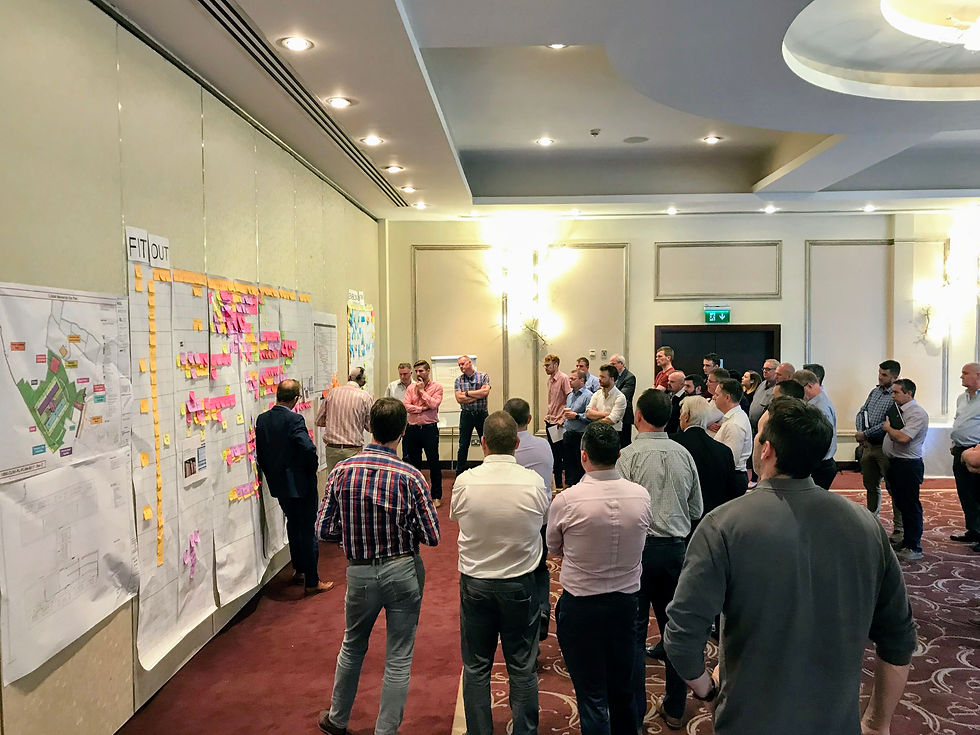
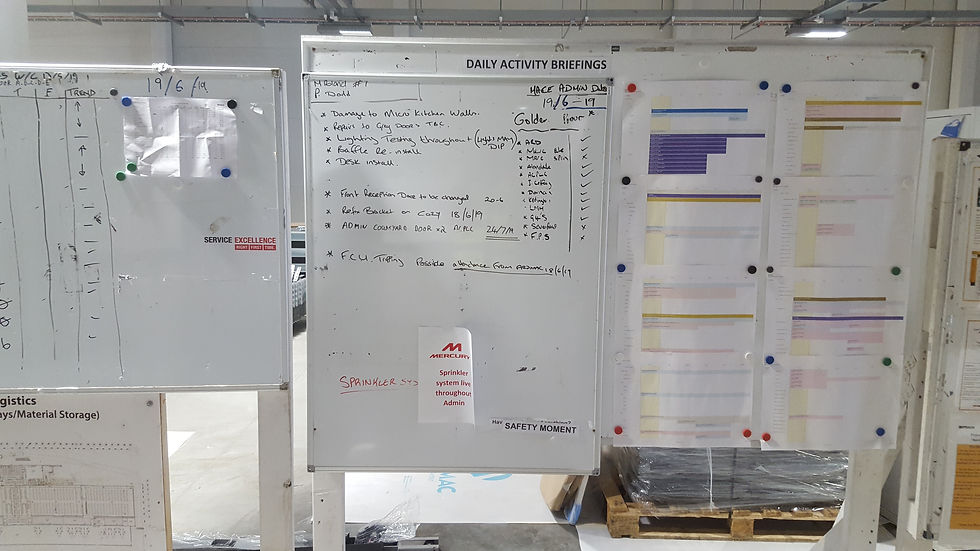
That means establishing a rhythm of planning that connects long-range programmes to weekly work cycles. It means measuring what matters — Percent Plan Complete, constraint removal, workflow stability — not just programme milestones. And it means building the habits and disciplines that keep production moving, week after week.
Lean is not a reporting framework. It is not a software platform. It is a fundamentally different way of thinking about how work gets done — and we help your teams think and operate that way.
Embedded Mentorship
Consultants who leave take their knowledge with them. We make sure that doesn't happen.
The most common failure of improvement programmes is dependency. An external team arrives, runs workshops, installs a process, and departs. Within months, the behaviours have faded and the tools are gathering dust. Nothing has really changed.
Our model is different. We work alongside your people — on your projects, in your planning sessions, on your sites — not as an external authority but as a working partner. We coach your planners, challenge your project managers, and build the capability of your teams in the flow of real work.
This is not classroom training. It is learning by doing, with experienced practitioners at your side who have run these systems themselves. The goal is always the same: that when we step back, your teams are stronger, more confident and fully capable of sustaining what has been built.
Capability that lasts beyond the project. That is what embedded mentorship delivers.
Digital as Enabler, Not Solution
Technology should reinforce the way you work — not define it.
There is no shortage of digital tools promising to transform construction. Planning platforms, dashboards, AI-driven scheduling, digital twins. The market is loud, and the pressure to adopt is real. But technology without the right behaviours underneath it achieves very little.
We take a different view. Digital tools are powerful when they are configured to support Lean production — when they make reliable planning easier, make constraints visible sooner, and give teams the right information at the right time. They become a liability when they are used to generate reports that nobody acts on, or to create the appearance of control where none exists.
We help clients select, configure and embed digital tools that serve their production system — not the other way around. We are platform-agnostic. Our starting point is always your workflow, your team and your project — and we work backwards to the technology that best supports it.
Done well, digital is a genuine multiplier. We make sure it is done well.
Proven in Complex Environments
Reliability matters most when the stakes are highest.
Lean principles are straightforward. Applying them on a live, multi-contractor, programme-critical project is something else entirely. It requires experience — of the politics, the pressures, the interfaces and the moments when the system is most likely to break down.
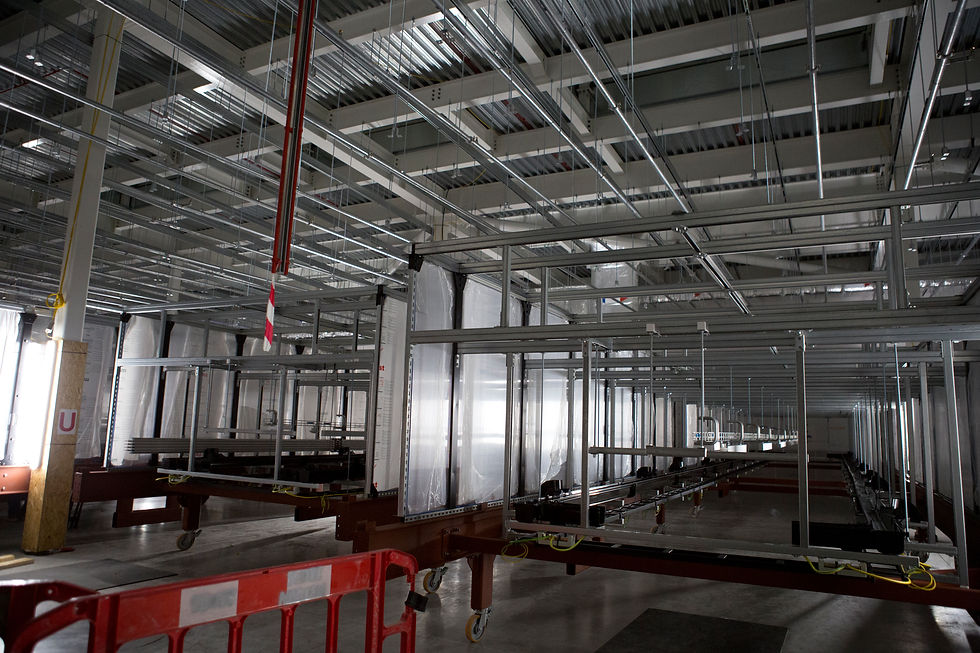
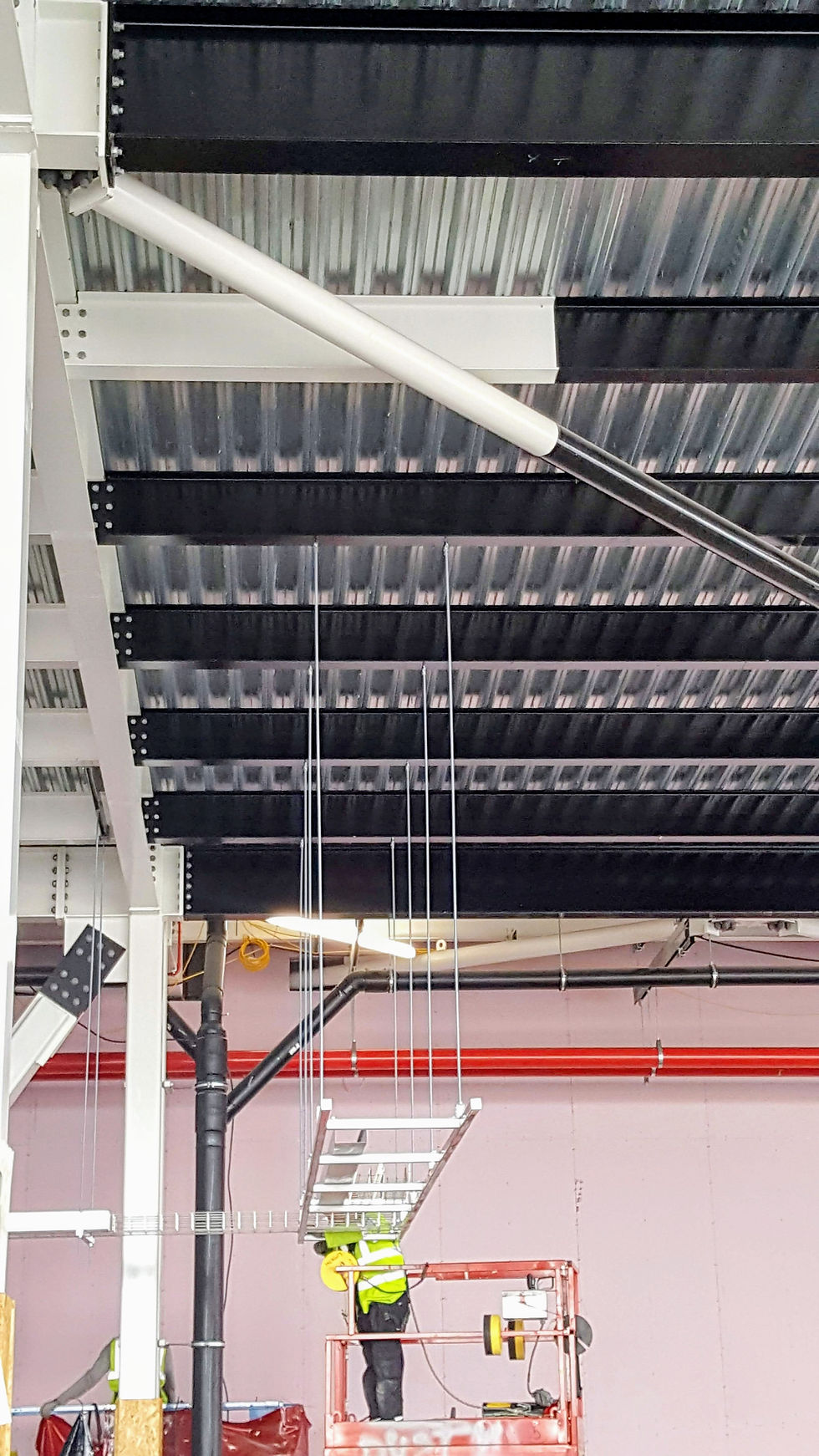
We have worked across some of the most demanding construction environments: major infrastructure programmes, commissioning-heavy projects where sequence is everything, and complex builds where predictability is not a preference but a contractual obligation.
That experience shapes how we work. We know where production systems come under pressure. We know how to design planning processes that hold up when programmes slip, scopes change and teams are under stress. And we know how to maintain the confidence of senior stakeholders while doing the detailed, disciplined work that actually keeps projects on track.
If your project is complex and the margin for error is small, you need practitioners who have been there before. We have.